
MON - SAT: 09:30 - 06:00 PM
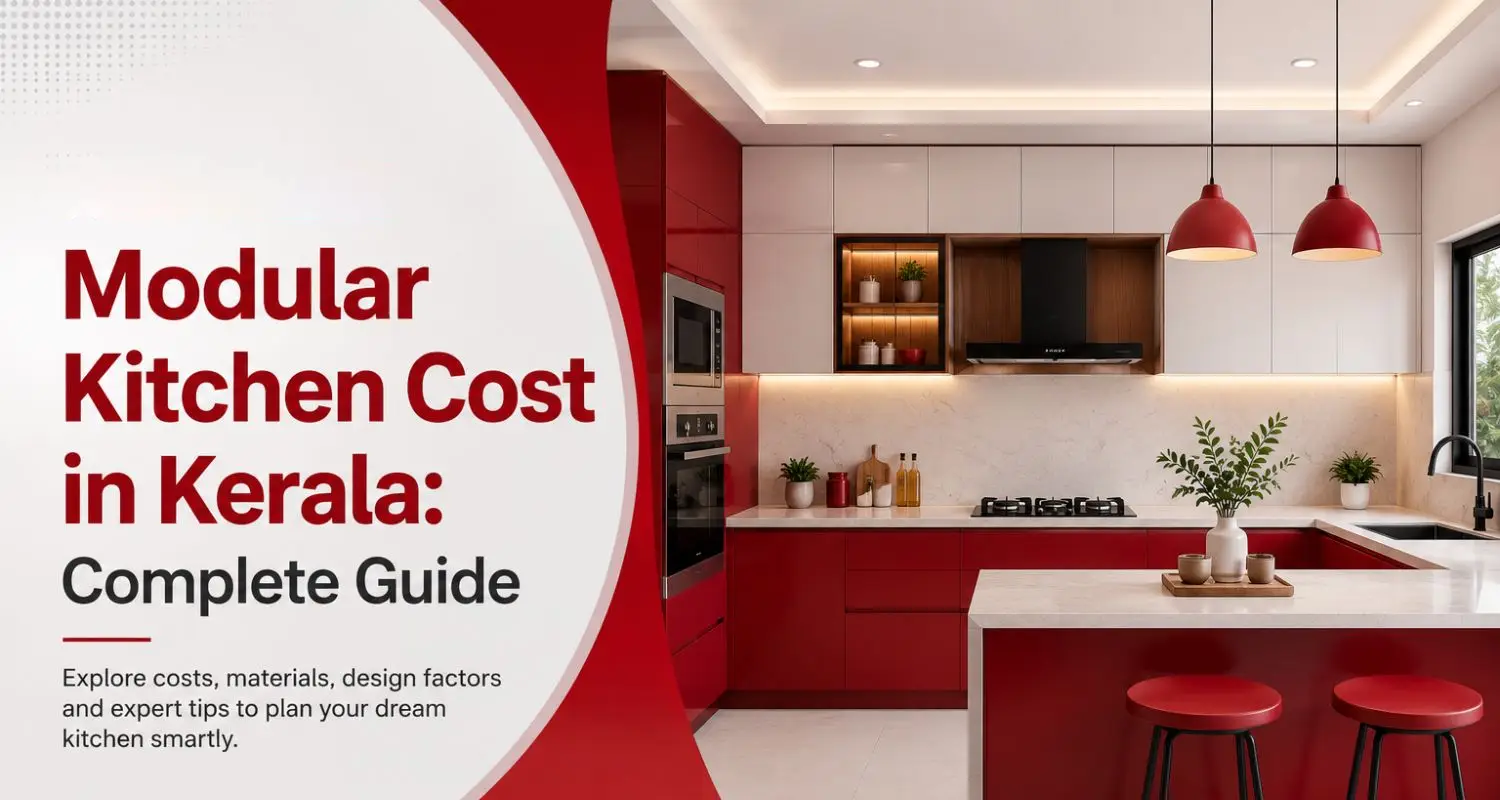
A kitchen is no longer just a space for cooking. In modern Kerala homes, it has become a carefully planned area that combines functionality, storage efficiency, aesthetics, and convenience. As homeowners increasingly seek organized and contemporary interiors, modular kitchens have emerged as a preferred choice across apartments, villas, and independent houses.
However, one question remains common among property owners: How much does a modular kitchen cost in Kerala? The answer depends on multiple factors, including materials, layout, manufacturing quality, finishes, accessories, and customization requirements.
With advancements in interior manufacturing and precision production techniques, experienced firms such as Cypress Interiors have helped transform how kitchens are designed and manufactured in Kerala, enabling homeowners to access durable and customized solutions tailored to their lifestyles.
This guide explores everything you need to know about modular kitchen costs in Kerala, helping you make informed decisions before investing in your dream kitchen.
Homeowners today expect more from their kitchens than basic functionality. Modern families require efficient storage, easy maintenance, better workflow, and attractive aesthetics.
Some reasons behind the growing demand include:
Better space utilization.
Organized storage solutions.
Faster installation compared to traditional kitchens.
Modern and elegant appearance.
Easier maintenance and cleaning.
Flexible customization options.
Enhanced property value.
Unlike conventional carpentry-based kitchens, modular kitchens are manufactured using precision techniques that ensure consistency, durability, and improved finishing quality.
The cost of a modular kitchen in Kerala can vary significantly depending on project requirements.
Generally, homeowners can expect costs to range from basic budget-friendly setups to highly customized premium kitchens.
Typical price ranges are influenced by:
Kitchen dimensions.
Cabinet materials.
Finish selection.
Hardware quality.
Storage accessories.
Countertop materials.
Manufacturing standards.
A compact kitchen designed for essential functionality will naturally cost less than a luxury kitchen equipped with premium finishes, smart storage systems, and integrated appliances.
Rather than focusing only on the initial cost, homeowners should evaluate long-term value, durability, and maintenance requirements.
The overall dimensions of the kitchen significantly impact pricing.
Common layouts include:
Straight kitchen.
Parallel kitchen.
L-shaped kitchen.
U-shaped kitchen.
Island kitchen.
Larger kitchens require more cabinets, hardware, countertops, and installation work, resulting in higher costs.
Material choice is one of the biggest cost determinants.
Different materials offer varying levels of:
Moisture resistance.
Strength.
Durability.
Longevity.
Appearance.
Premium materials generally involve higher investment but often deliver superior long-term performance.
Simple cabinet designs are generally more affordable.
Costs increase when homeowners choose:
Curved edges.
Glass shutters.
Designer profiles.
Specialized storage units.
Customized dimensions.
The more intricate the design, the greater the manufacturing effort involved.
Hardware plays a critical role in kitchen performance.
Common components include:
Hinges.
Drawer channels.
Lift-up mechanisms.
Soft-close systems.
Corner units.
Pull-out baskets.
High-quality hardware improves user experience and extends kitchen lifespan.
Countertops influence both aesthetics and durability.
Popular options include:
Granite.
Quartz.
Solid surface materials.
Engineered stone.
Premium countertop materials generally increase project costs but offer better resistance to wear and stains.
Modern kitchens often incorporate:
Built-in ovens.
Chimneys.
Dishwashers.
Microwaves.
Hob units.
Integrating appliances requires specialized planning and customization, which can impact overall pricing.
Many homeowners focus primarily on design while overlooking manufacturing standards.
A professionally manufactured kitchen often provides:
Better dimensional accuracy.
Improved finish quality.
Longer durability.
Consistent performance.
Reduced maintenance issues.
This is where an experienced Interior Design Manufacturing Company in Kerala adds substantial value through precision production and quality control.
MDF is often selected for budget-friendly projects.
Benefits include:
Smooth surface finish.
Cost-effectiveness.
Design flexibility.
However, moisture resistance may be lower compared to premium alternatives.
HDF offers improved strength and density.
Advantages include:
Better durability.
Enhanced finish quality.
Increased resistance to daily wear.
It is often preferred for kitchens requiring better longevity.
Plywood remains one of the most widely used kitchen materials in Kerala.
Key benefits:
Strong structural integrity.
Good moisture resistance.
Long service life.
Reliable performance.
Many homeowners consider plywood a balanced option between cost and durability.
Marine plywood is particularly suitable for Kerala's humid climate.
Its advantages include:
Superior water resistance.
Excellent durability.
Reduced risk of swelling.
Better long-term performance.
Although it costs more initially, it often proves economical over time.
Laminate remains popular due to:
Affordability.
Variety of colors.
Easy maintenance.
Good durability.
It suits both budget and mid-range kitchen projects.
Acrylic kitchens are known for their glossy appearance.
Features include:
Reflective surfaces.
Premium aesthetics.
Modern visual appeal.
Easy cleaning.
These finishes generally cost more than laminates.
PU-coated kitchens deliver a luxury appearance.
Benefits include:
Smooth finish.
Elegant appearance.
Custom color options.
Premium appeal.
They are commonly selected for high-end residences.
Glass shutters create a contemporary and sophisticated look.
Homeowners often choose them for:
Display cabinets.
Modern interiors.
Premium kitchen concepts.
Glass-based designs typically involve higher manufacturing costs.
Suitable for:
Small apartments.
Rental properties.
First-time homeowners.
Characteristics include:
Basic storage.
Standard finishes.
Essential hardware.
They prioritize functionality while keeping costs controlled.
These kitchens offer a balance between affordability and quality.
Common features:
Better materials.
Enhanced hardware.
Improved aesthetics.
Additional storage solutions.
This category remains popular among Kerala homeowners.
Premium kitchens focus on superior functionality and design.
Features often include:
High-quality plywood.
Advanced accessories.
Premium finishes.
Custom layouts.
Better manufacturing standards.
Luxury kitchens are highly customized spaces designed around individual lifestyles.
They may include:
Imported hardware.
Smart storage systems.
Premium appliances.
Designer finishes.
Exclusive layouts.
These kitchens prioritize aesthetics, innovation, and long-term value.
Many budgeting mistakes occur because homeowners focus only on cabinet pricing.
Additional expenses may include:
Changes may be needed for:
Chimneys.
Ovens.
Dishwashers.
Lighting systems.
Relocating sinks or water connections can add unexpected costs.
The cost of purchasing and installing a chimney is often separate from kitchen manufacturing expenses.
Built-in appliances may require customized cabinet designs and additional installation work.
Project location can affect transportation costs, especially for large modular kitchen components.
Unexpected site conditions sometimes require design modifications during installation.
A lower budget does not necessarily mean compromising on performance.
Consider the following strategies:
Prioritize functionality over excessive decoration.
Select durable materials suitable for Kerala's climate.
Use standard cabinet sizes where possible.
Invest in quality hardware.
Focus on essential accessories first.
Avoid unnecessary customization.
Compare manufacturing capabilities before choosing a provider.
The goal should be maximizing long-term value rather than minimizing upfront expenses.
Many homeowners compare quotations based solely on cost.
However, manufacturing quality often determines:
Cabinet lifespan.
Structural strength.
Finish durability.
Hardware performance.
Maintenance frequency.
A cheaper kitchen may require repairs or replacements sooner, resulting in higher overall expenses over time.
Investing in professional manufacturing standards often delivers better value and reliability for years to come.
Selecting the right partner is just as important as selecting materials.
Before finalizing a company, evaluate:
Look for proven expertise in residential interior manufacturing.
Companies with dedicated manufacturing facilities generally offer better consistency and quality control.
Reliable firms clearly explain:
Material specifications.
Hardware brands.
Finish options.
Warranty terms.
A skilled design team can optimize both functionality and aesthetics.
Proper installation ensures long-term kitchen performance.
Feedback from previous clients provides valuable insights into project quality and reliability.
An established Interior Design Manufacturing Company in Kerala can help homeowners avoid costly mistakes while ensuring the kitchen meets practical and aesthetic expectations.
Modular kitchen costs in Kerala depend on size, materials, finishes, hardware, and customization.
Marine plywood and premium hardware offer better long-term durability.
Hidden expenses should be considered during budgeting.
Manufacturing quality significantly impacts kitchen lifespan.
Professional planning helps maximize value and functionality.
Choosing an experienced Interior Design Manufacturing Company in Kerala improves project outcomes.
A modular kitchen is a long-term investment that influences the functionality, comfort, and value of a home. While pricing varies depending on materials, design complexity, and manufacturing standards, informed decisions can help homeowners achieve the perfect balance between budget and quality.
As Kerala's interior industry continues to evolve, manufacturers with strong design and production capabilities are playing an increasingly important role in delivering durable and customized kitchen solutions. Companies such as Cypress Interiors contribute to this transformation by emphasizing precision manufacturing, thoughtful design, and quality-driven execution that aligns with modern homeowner expectations.
Before making a final decision, focus on overall value rather than just the lowest quotation. A well-manufactured modular kitchen can provide years of convenience, efficiency, and satisfaction.
The cost varies depending on size, materials, finishes, and accessories, ranging from budget-friendly to premium customized solutions.
Marine plywood is often preferred due to its moisture resistance and durability in Kerala's humid climate.
Yes. Premium hinges, drawer systems, and accessories can significantly influence overall project cost.
Modular kitchens offer better organization, faster installation, easier maintenance, and greater customization options.
Electrical modifications, plumbing changes, appliance integration, transportation, and installation adjustments should be included in budgeting.
Choosing practical designs, standard dimensions, and durable materials can help optimize costs without compromising quality.
High manufacturing standards improve durability, finish quality, functionality, and long-term value.
Evaluate experience, manufacturing capabilities, material quality, customer reviews, design expertise, and after-sales support before making a decision.