
MON - SAT: 09:30 - 06:00 PM
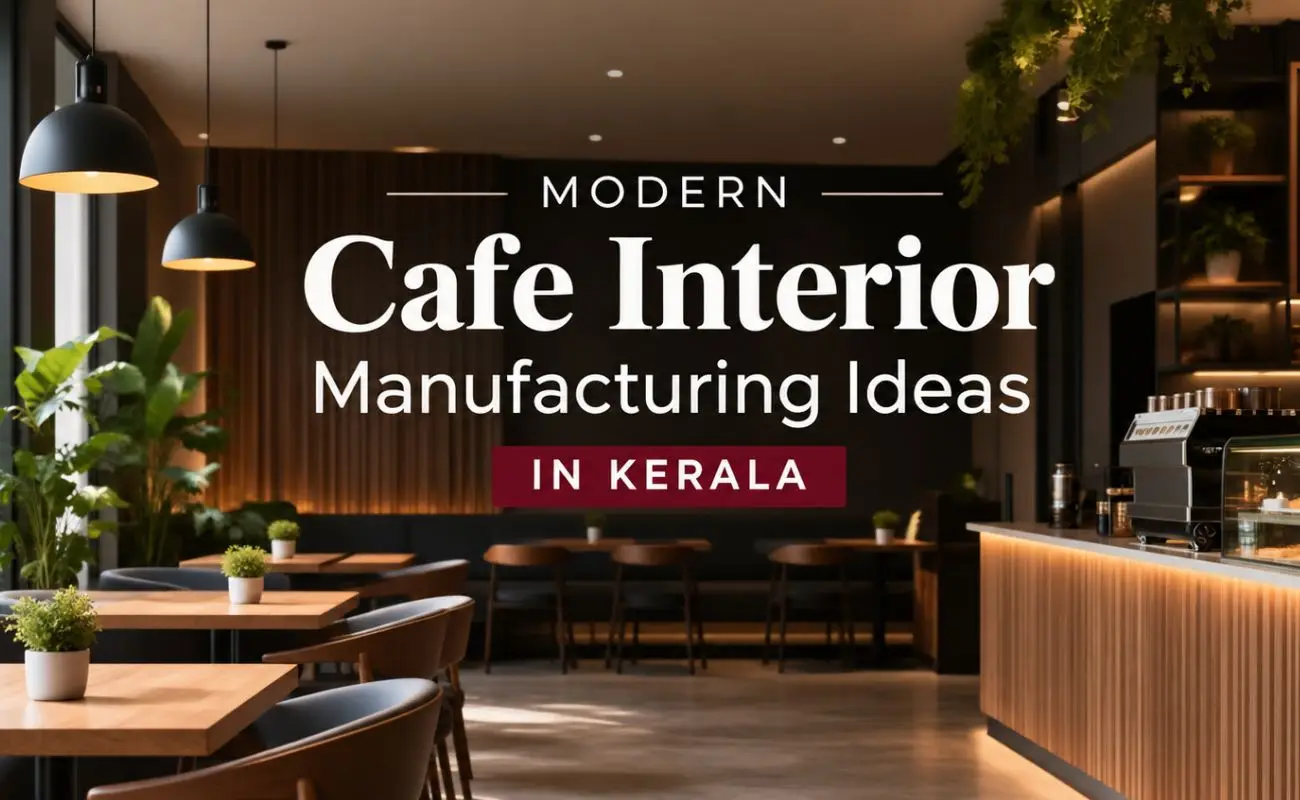
Kerala's cafe culture has evolved far beyond serving coffee and snacks. Today's cafés are designed as destinations where people work, socialize, create content, conduct meetings, and spend quality time. As customer expectations continue to rise, the physical environment of a café has become just as important as the menu itself.
This shift has increased the demand for professional interior manufacturing solutions that combine aesthetics, functionality, durability, and brand identity. An experienced Interior Design Manufacturing Company in Kerala plays a crucial role in transforming a simple commercial space into an engaging customer experience. Across Kerala, businesses are increasingly investing in custom-manufactured interiors that reflect their concept while ensuring efficient operations.
Companies like Cypress Interiors contribute to this growing sector by helping commercial spaces achieve a balance between design creativity, quality manufacturing, and practical execution.
Cafe interior manufacturing refers to the process of designing, fabricating, and installing all customized interior elements required for a café. Rather than relying on ready-made furniture and fixtures, manufacturers create tailored solutions that align with the café's theme, space constraints, and operational requirements.
This process typically includes:
Custom seating arrangements
Service counters
Storage units
Display shelves
Decorative wall panels
Ceiling features
Lighting integrations
Outdoor seating structures
Unlike basic interior decoration, interior manufacturing focuses on producing functional components that become part of the café's long-term infrastructure.
A café is a high-traffic commercial environment. Furniture, counters, flooring interfaces, and storage systems experience daily wear and tear. Professional manufacturing ensures every component is designed for durability and performance.
Benefits include:
Customized solutions for available space
Better material selection for Kerala's climate
Improved customer comfort
Efficient workflow for staff
Consistent branding throughout the space
Long-term cost savings through durability
Professional manufacturers also understand local environmental conditions, helping businesses choose materials that can withstand humidity, frequent cleaning, and heavy usage.
Modern café concepts in Kerala are moving toward spaces that feel welcoming, photogenic, and comfortable. Current trends emphasize natural materials, warm color palettes, and flexible seating arrangements.
Contemporary cafés focus on clean lines, subtle textures, and uncluttered layouts. Neutral shades combined with wood finishes create a sophisticated atmosphere.
Minimalist cafés prioritize simplicity without sacrificing comfort.
Common features include:
Open layouts
Hidden storage
Simple furniture profiles
Soft lighting
Limited color palettes
Rustic interiors remain popular because they create warmth and authenticity.
Popular elements include:
Reclaimed wood
Exposed textures
Vintage-style lighting
Handmade décor
Industrial themes continue to attract younger audiences.
Features often include:
Exposed ceilings
Metal framing
Concrete textures
Pendant lighting
Biophilic design is becoming increasingly popular across Kerala. Natural materials, indoor plants, and improved daylight integration create a stronger connection with nature.
Many Kerala cafés incorporate local cultural influences through:
Traditional woodwork
Laterite-inspired finishes
Kerala-inspired artwork
Brass detailing
Limited square footage does not necessarily limit creativity.
Smart manufacturing solutions can maximize every inch of space.
Wall-mounted seating systems
Foldable furniture
Multi-purpose counters
Vertical storage units
Corner seating arrangements
Slim-profile tables
Modular furniture systems
Many successful small cafés prioritize efficient circulation rather than increasing the number of seats. Proper planning often creates a more comfortable customer experience despite limited space.
Every successful café relies on several custom-manufactured components.
Banquette seating
Booth seating
Community tables
Bar stools
Lounge seating
The counter often serves as the visual centerpiece of the café.
Manufactured elements may include:
Ordering stations
Display counters
POS integration
Storage compartments
Display systems help showcase:
Bakery products
Coffee merchandise
Specialty items
Efficient storage keeps operations organized while maintaining a clean appearance.
These may include:
Feature walls
Ceiling installations
Decorative partitions
Custom shelving
For cafés with outdoor seating, manufacturers often create:
Pergolas
Weather-resistant seating
Privacy screens
Planter-integrated furniture
Kerala's humid climate requires careful material selection.
Natural materials, wood textures, stone finishes, cane elements, and climate-responsive surfaces remain highly preferred because they combine durability with visual appeal.
Advantages:
Cost-effective
Uniform appearance
Versatile finishes
Limitations:
Requires moisture-resistant grades
Advantages:
Premium appearance
Long lifespan
Natural warmth
Limitations:
Higher investment
Advantages:
Structural strength
Modern appearance
Long durability
Advantages:
Easy maintenance
Variety of finishes
Cost efficiency
Advantages:
Premium aesthetic
High durability
Easy cleaning
Increasingly popular options include:
Bamboo
Reclaimed wood
Low-VOC finishes
Recycled materials
These materials align with modern sustainability expectations while offering unique visual character.
Even the most attractive café can struggle if the layout is poorly planned.
A functional layout ensures customers feel comfortable while staff can work efficiently.
Customers should easily navigate:
Entrance
Ordering area
Seating zone
Exit
Different customers prefer different experiences.
Consider:
Solo workspaces
Group seating
Casual seating
Window seating
The distance between:
Counter
Kitchen
Storage
Seating
should remain optimized for operational efficiency.
Clear entrance visibility
Comfortable circulation paths
Balanced seating density
Accessible service counters
Adequate waiting areas
Efficient kitchen access
Accessibility-friendly design
Thoughtful layouts often influence customer satisfaction more than decorative elements alone.
Lighting shapes the mood of a café more than almost any other design element.
Industry experts increasingly recommend layered lighting strategies that combine ambient, task, and accent lighting.
Creates overall comfort and warmth.
Used in:
Ordering counters
Display areas
Food preparation zones
Highlights:
Artwork
Feature walls
Branding elements
Popular options include:
Pendant lights
Statement chandeliers
Industrial fixtures
Cane lighting elements
Kerala cafés increasingly prioritize daylight, helping reduce energy usage while creating welcoming interiors.
Managing costs effectively begins with planning.
Establish a realistic budget early
Prioritize essential manufacturing components
Select durable materials over cheaper alternatives
Invest in high-use furniture first
Avoid excessive decorative additions
Use modular manufacturing solutions
Compare detailed quotations carefully
Plan future expansion requirements
The lowest quote is not always the most cost-effective choice. Long-term durability often delivers greater value.
Sustainability is no longer a niche concept. It has become a major consideration for hospitality businesses.
Popular sustainable practices include:
Reclaimed wood furniture
Bamboo-based interiors
Energy-efficient lighting
Locally sourced materials
Low-emission finishes
Recycled decorative elements
Biophilic design, natural ventilation strategies, and environmentally responsible materials are gaining significant attention throughout Kerala's interior industry.
Many café projects encounter avoidable issues due to poor planning.
Choosing style over functionality
Overcrowding the seating layout
Ignoring storage requirements
Using low-quality materials
Poor lighting planning
Inadequate maintenance considerations
Weak customer circulation design
Insufficient electrical planning
Avoiding these mistakes can significantly improve operational efficiency and customer satisfaction.
Selecting the right manufacturing partner directly influences project quality and timelines.
Look for commercial interior manufacturing experience.
Assess:
Production facilities
Quality control processes
Material expertise
Customization should align with your brand identity.
Evaluate:
Communication process
Timeline management
Installation coordination
A manufacturer should recommend suitable materials for Kerala's climate.
Long-term support adds significant value to commercial projects.
Cafe interiors are evolving toward experiences rather than purely aesthetic environments.
Current trends include:
Biophilic design concepts
Smart lighting systems
Flexible seating arrangements
Warm neutral palettes
Sustainable manufacturing
Curved furniture designs
Natural wood finishes
Instagram-friendly feature walls
Acoustic comfort solutions
Hybrid work-friendly café spaces
Designers are increasingly combining local craftsmanship with modern functionality to create unique customer experiences.
Project duration varies based on scope and customization requirements.
1–2 Weeks
1–3 Weeks
1–2 Weeks
3–6 Weeks
1–3 Weeks
Several Days
Project size
Material availability
Level of customization
Approval processes
Site readiness
Design revisions
Early planning helps minimize delays and ensures smoother execution.
Interior manufacturing directly affects customer comfort, operational efficiency, and brand identity, making it a crucial investment for any café.
Moisture-resistant engineered wood, solid wood, metal frameworks, and high-quality laminates are commonly preferred for Kerala's climate.
Yes. Customized manufacturing often helps maximize space utilization and improve customer flow in compact cafés.
Contemporary, minimalist, biophilic, rustic, and industrial-inspired designs remain among the most popular choices.
Selecting durable materials, quality finishes, and professionally manufactured furniture helps reduce maintenance requirements over time.
Most projects are completed within 6–12 weeks, depending on complexity, customization levels, and site conditions.
A successful café is built on more than great coffee. The atmosphere, layout, furniture, lighting, and customer experience all contribute to how visitors perceive the brand and whether they return. Professional interior manufacturing helps bring these elements together through thoughtful planning, quality materials, and practical execution.
As Kerala's café industry continues to grow, businesses are increasingly recognizing the value of partnering with an experienced Interior Design Manufacturing Company in Kerala that understands both design trends and operational requirements. Companies such as Cypress Interiors contribute to this evolving landscape by helping create commercial spaces that are visually appealing, durable, and purpose-built for long-term success. Whether launching a new café or upgrading an existing one, investing in quality interior manufacturing can make a lasting difference in customer experience and business performance.